
Morvi, a historic city in Gujarat, beautifully blends royal heritage with modern charm. Known as the Paris of Saurashtra, Morvi is famous for its magnificent palaces, iconic suspension bridge, and rich cultural legacy. The city reflects the grandeur of the Jadeja rulers through architectural marvels like Darbargadh Palace and Mani Mandir, standing proudly along the serene Machhu River.
Morvi is also a hub of craftsmanship and industry, especially renowned for its world-class ceramic and tile manufacturing. Surrounded by vibrant local markets, traditional art, and warm hospitality, the city offers a unique experience where history, culture, and progress come together seamlessly.
Whether you’re exploring its heritage landmarks or experiencing its industrial excellence, Morvi welcomes you with timeless beauty and a rich sense of tradition.
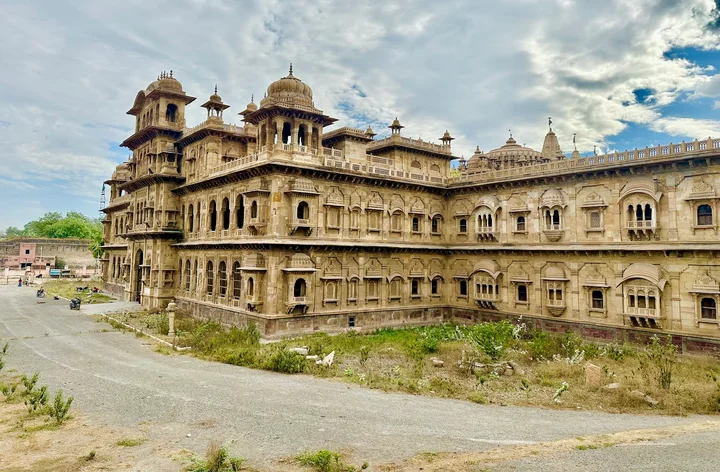
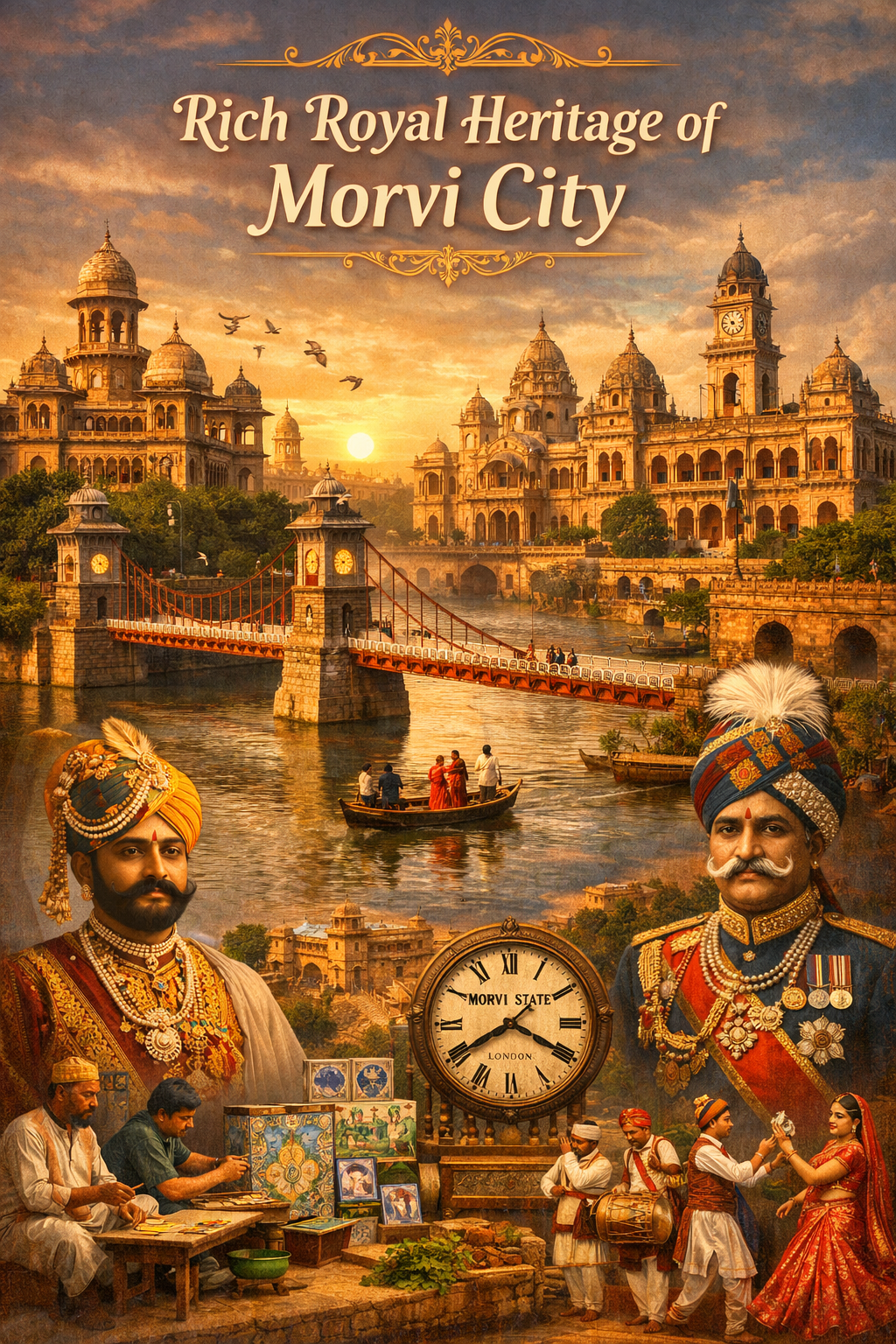
Morvi was once a proud princely state where the Jadeja rulers governed with vision, dignity, and progressive ideals. The city flourished under royal patronage, reflected in its grand palaces, planned infrastructure, and cultural richness. Even today, Morvi’s streets, monuments, and traditions echo the legacy of a time when royalty shaped its identity and destiny.
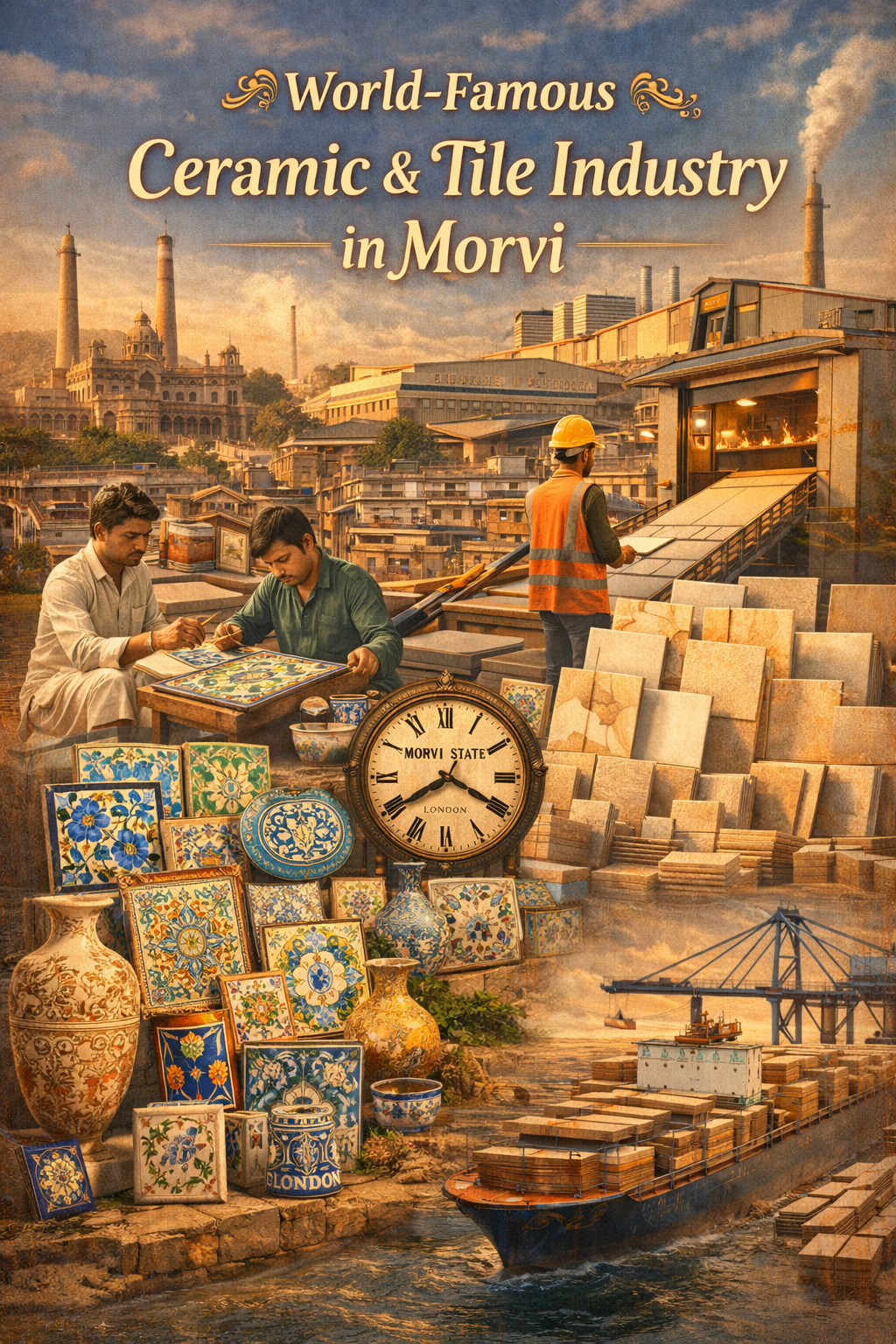
Morvi is renowned worldwide for its exquisite ceramic and tile craftsmanship. Generations of skilled artisans have combined traditional artistry with modern techniques to create vibrant, intricate tiles and pottery. This thriving industry not only showcases Morvi’s rich cultural heritage but also contributes significantly to its economy, making the city a global hub for decorative ceramics.

2,91,000

137.21 (km²)

60 Thousand crores
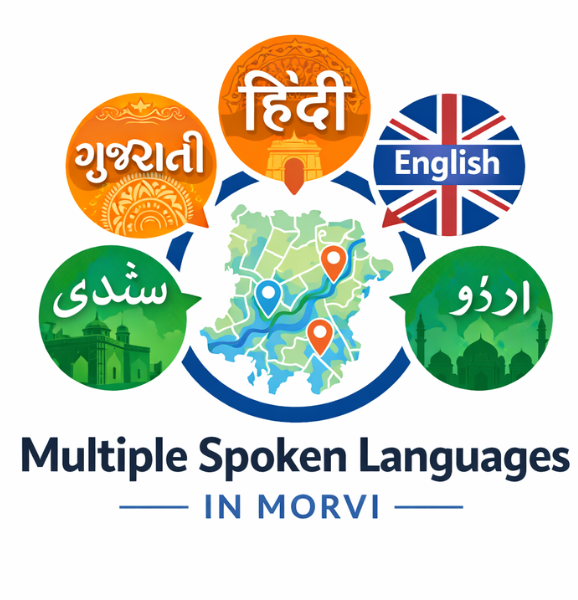
Hindi, Gujarati, English
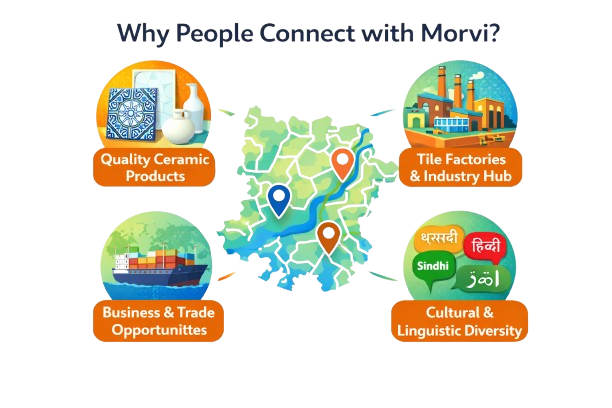
Morvi City is a place where heritage meets opportunity. Connecting with Morvi means being part of a city rich in history, culture, and entrepreneurial spirit. Known for its royal legacy and iconic landmarks, Morvi also stands strong as a growing industrial hub, especially in ceramics, manufacturing, and trade.
Morvi offers a close-knit community, strong local networks, and a welcoming environment for businesses, visitors, and residents alike. The city’s strategic location, skilled workforce, and tradition of innovation make it an ideal place to build relationships, explore opportunities, and grow together.
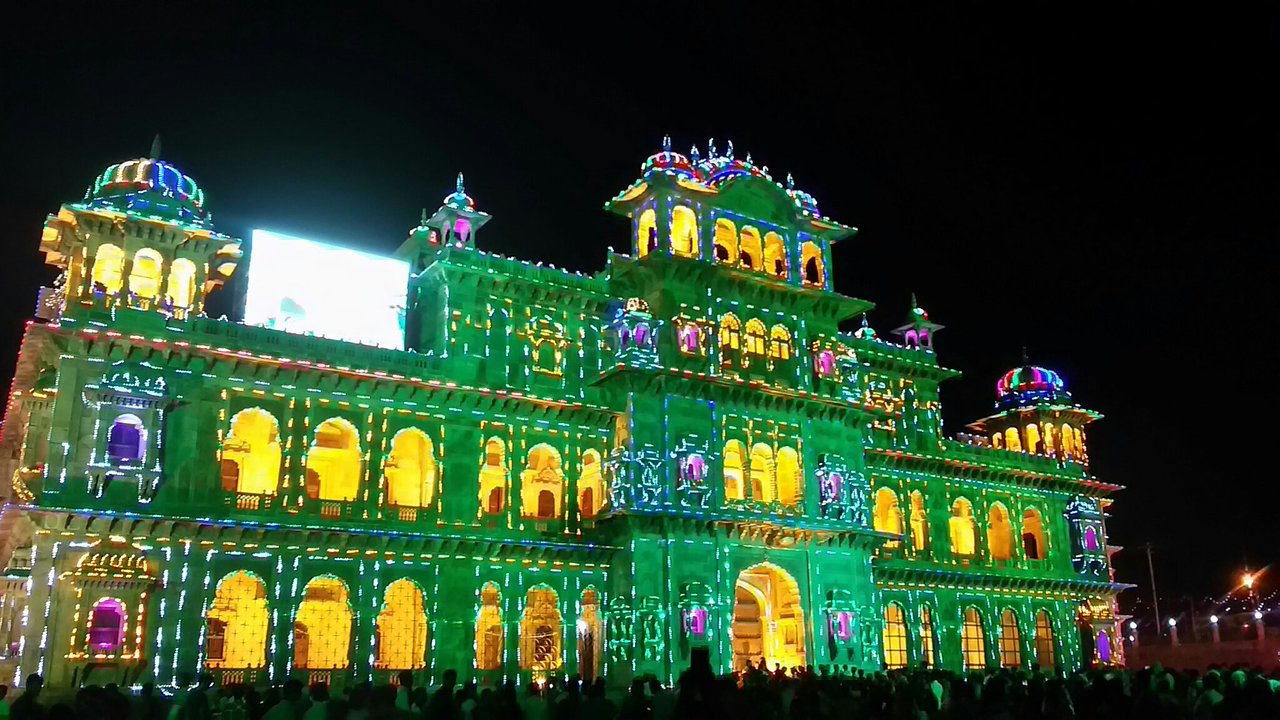
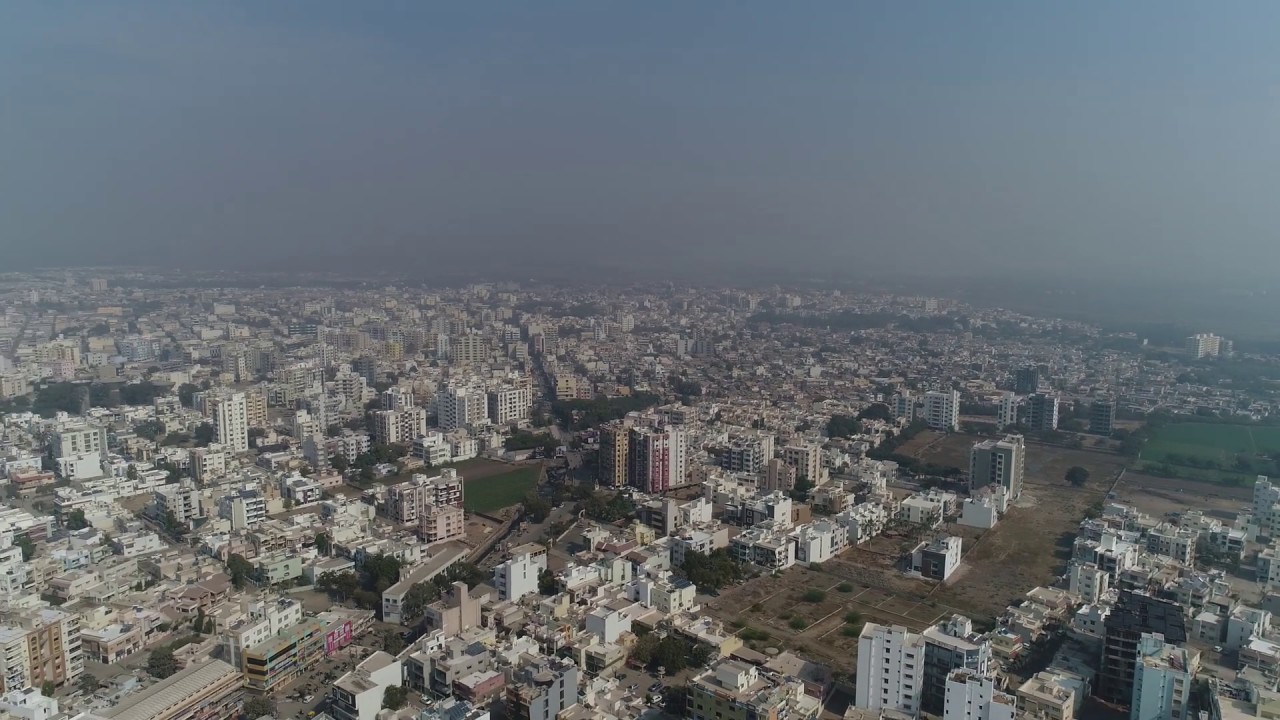
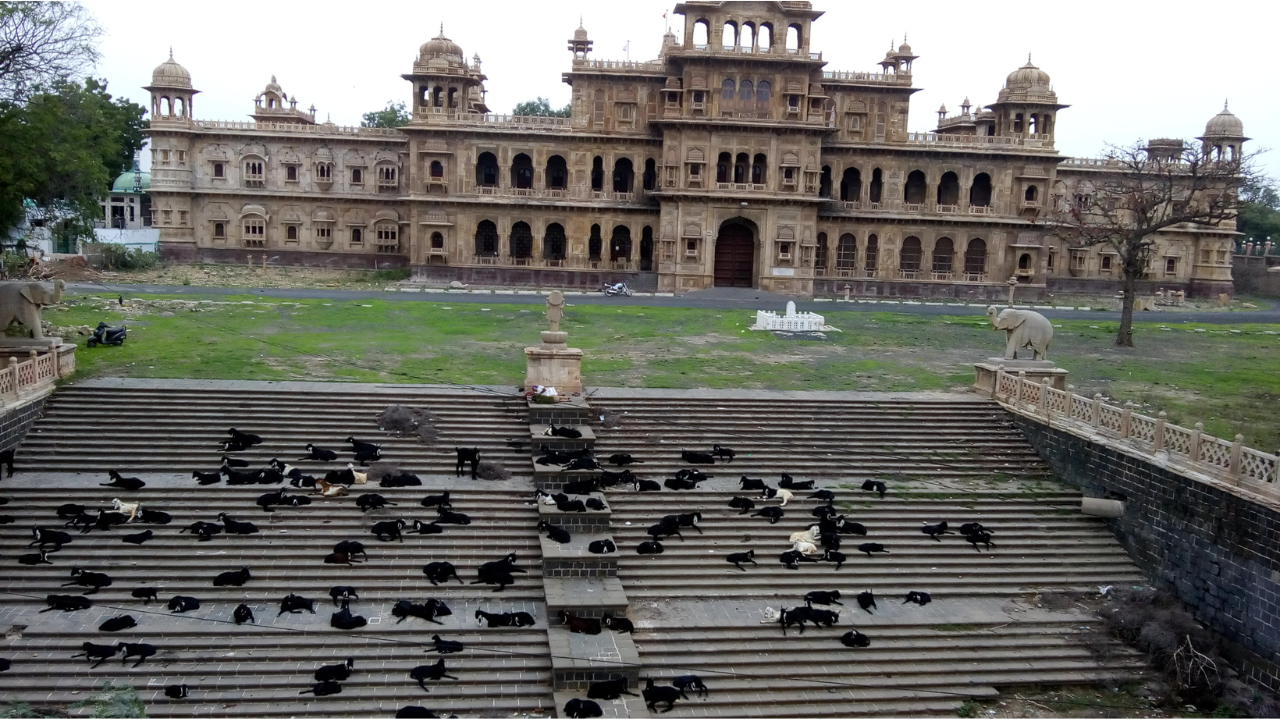
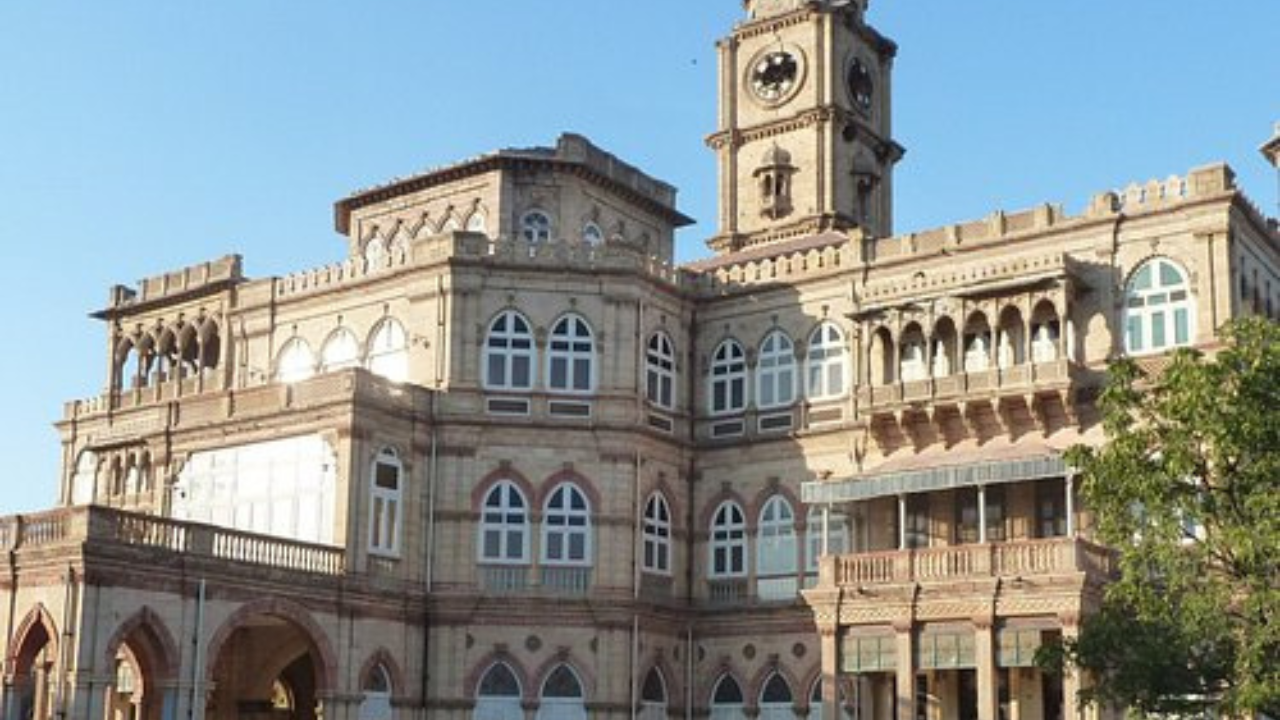
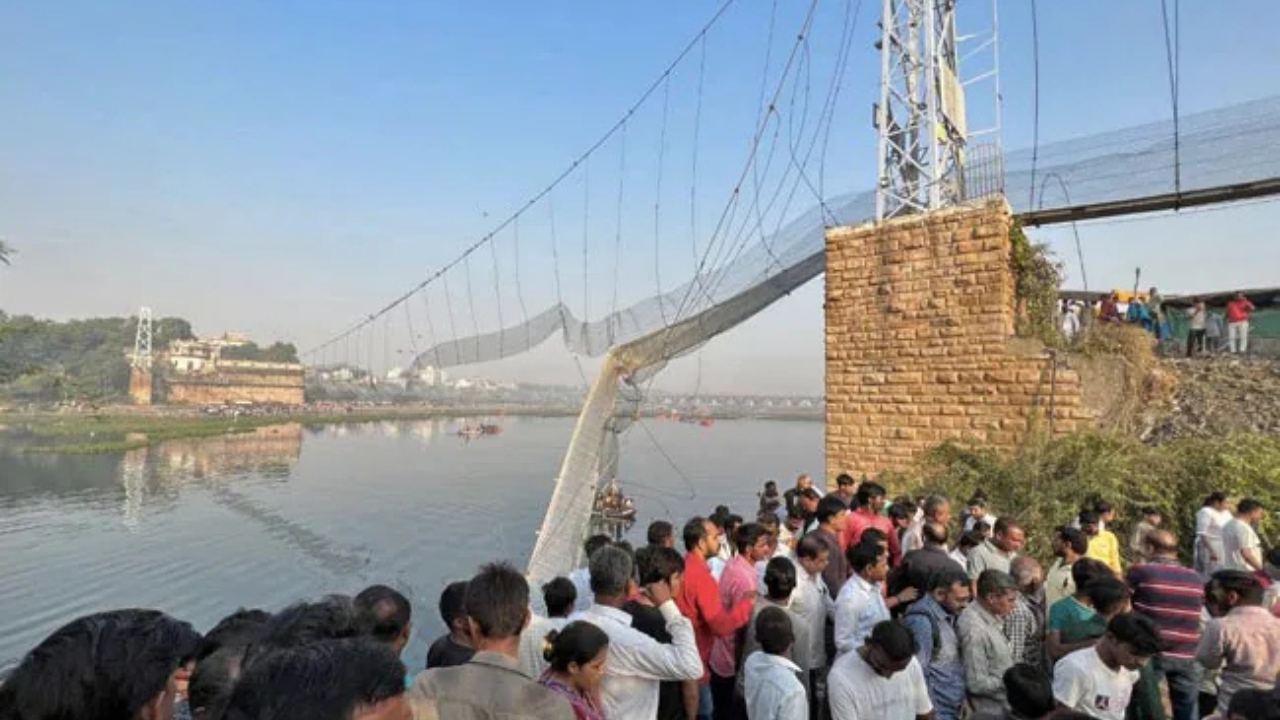
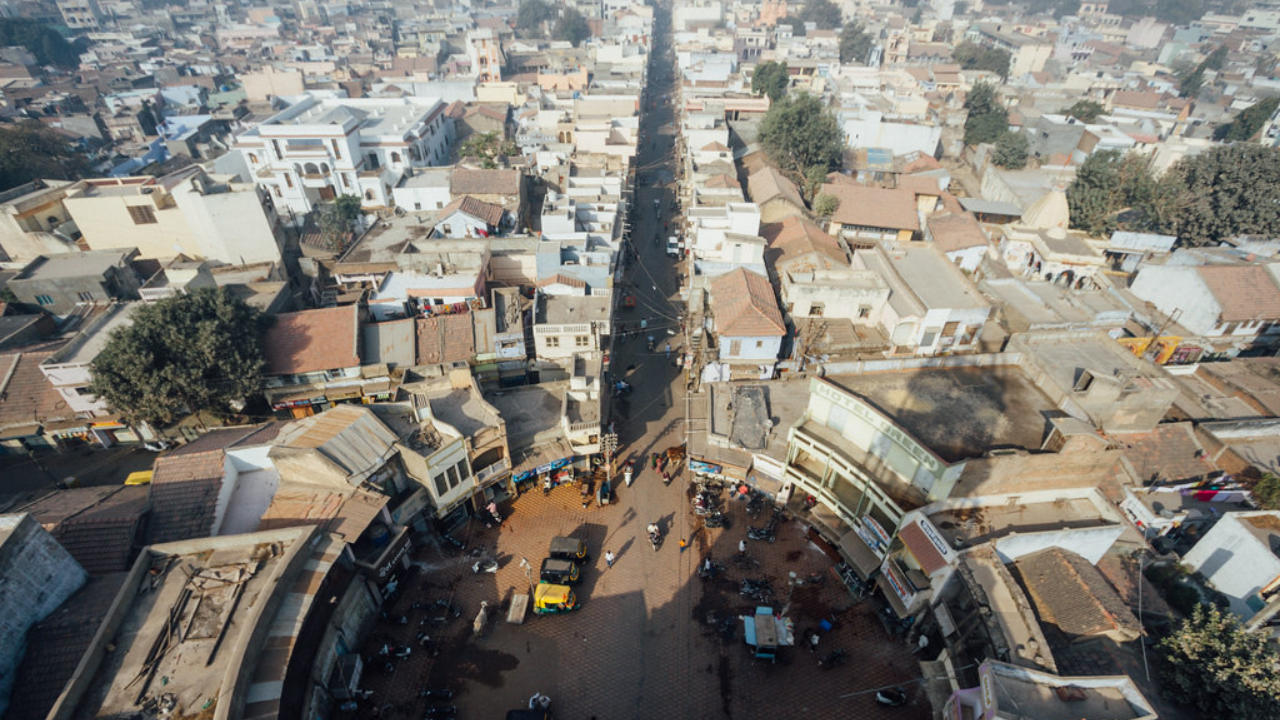
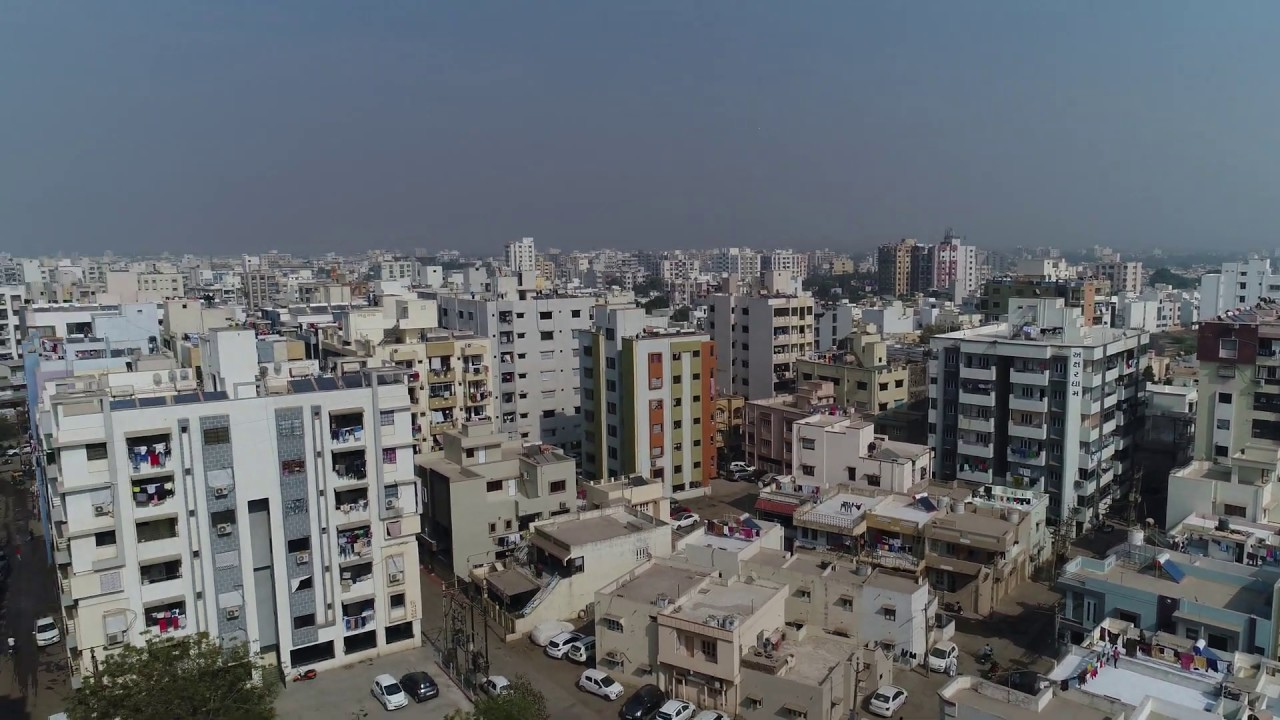
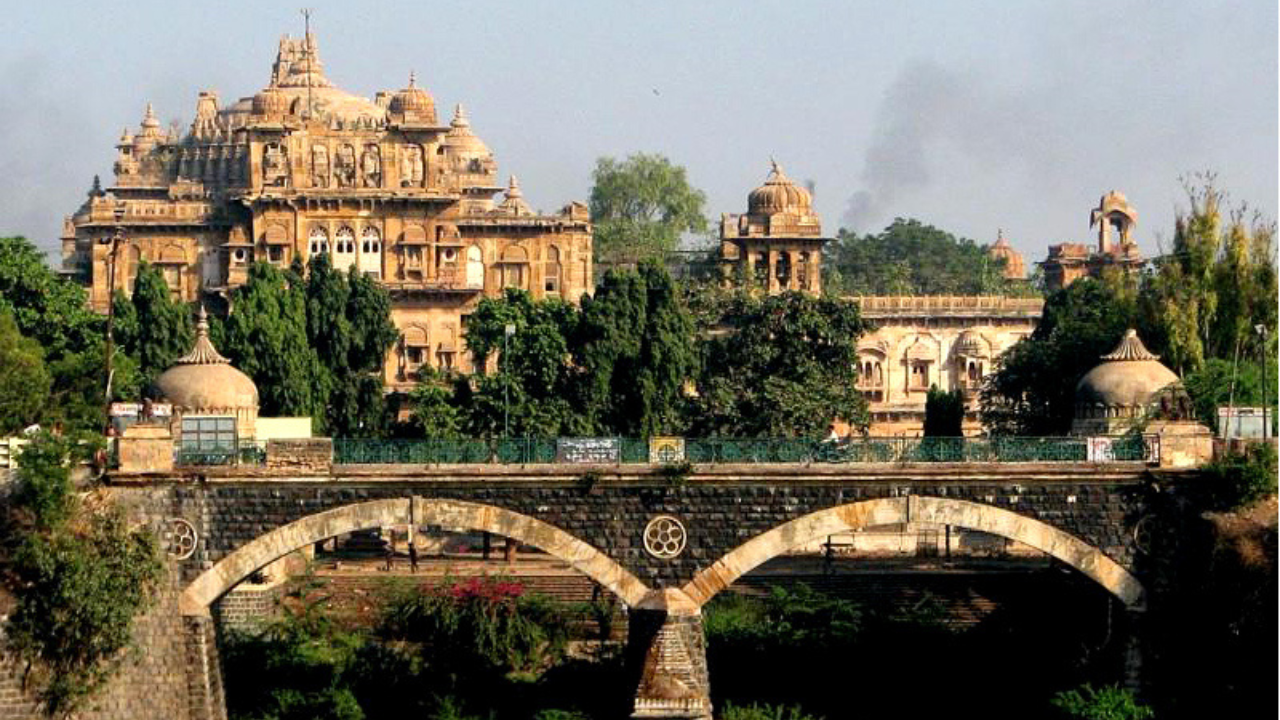
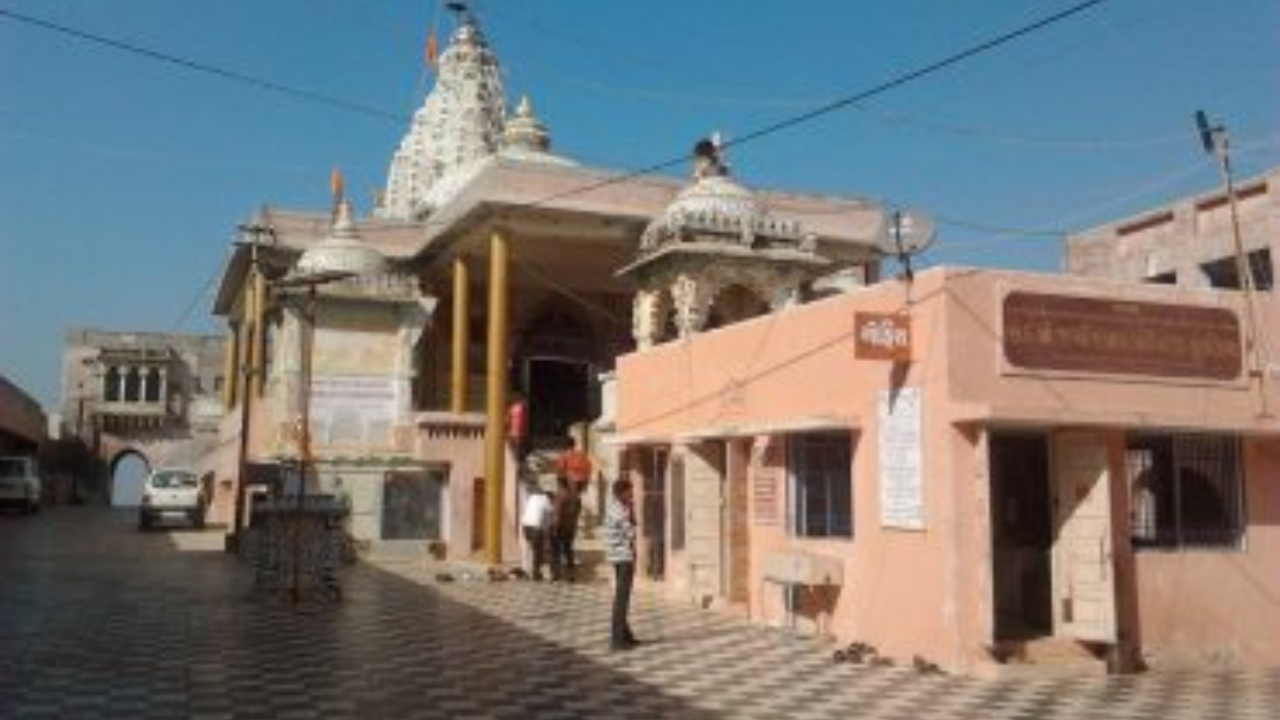
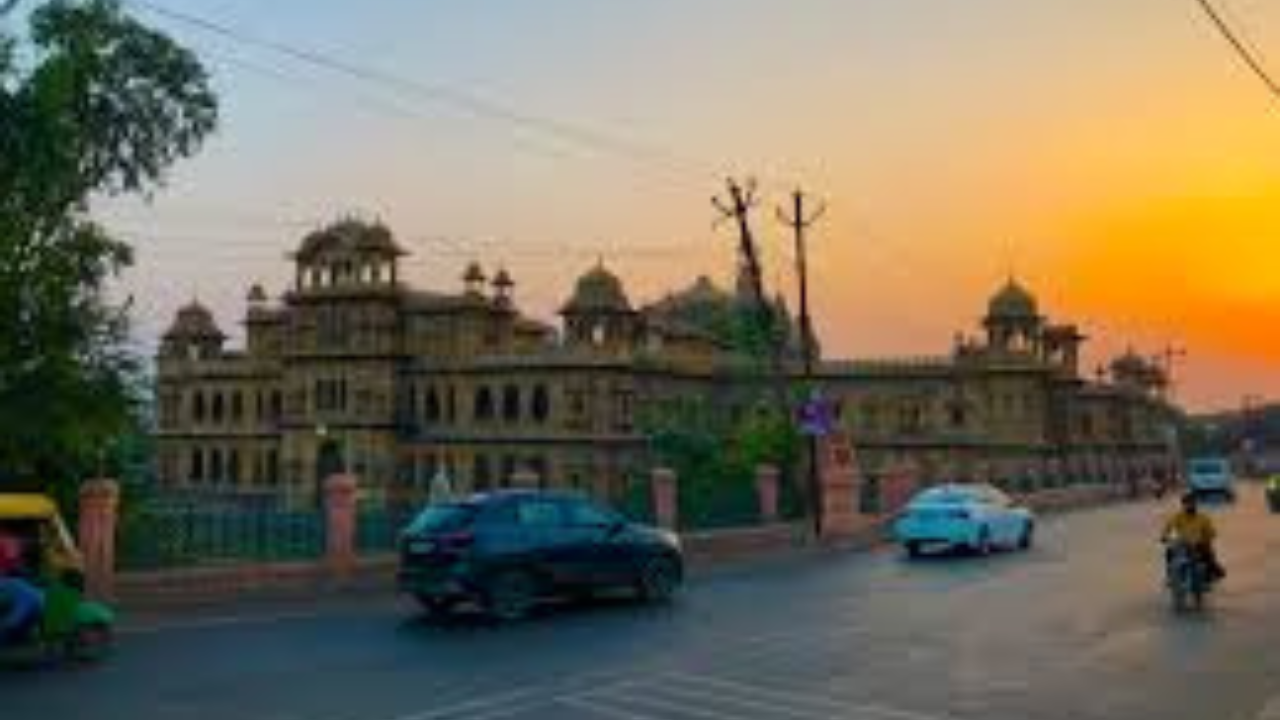
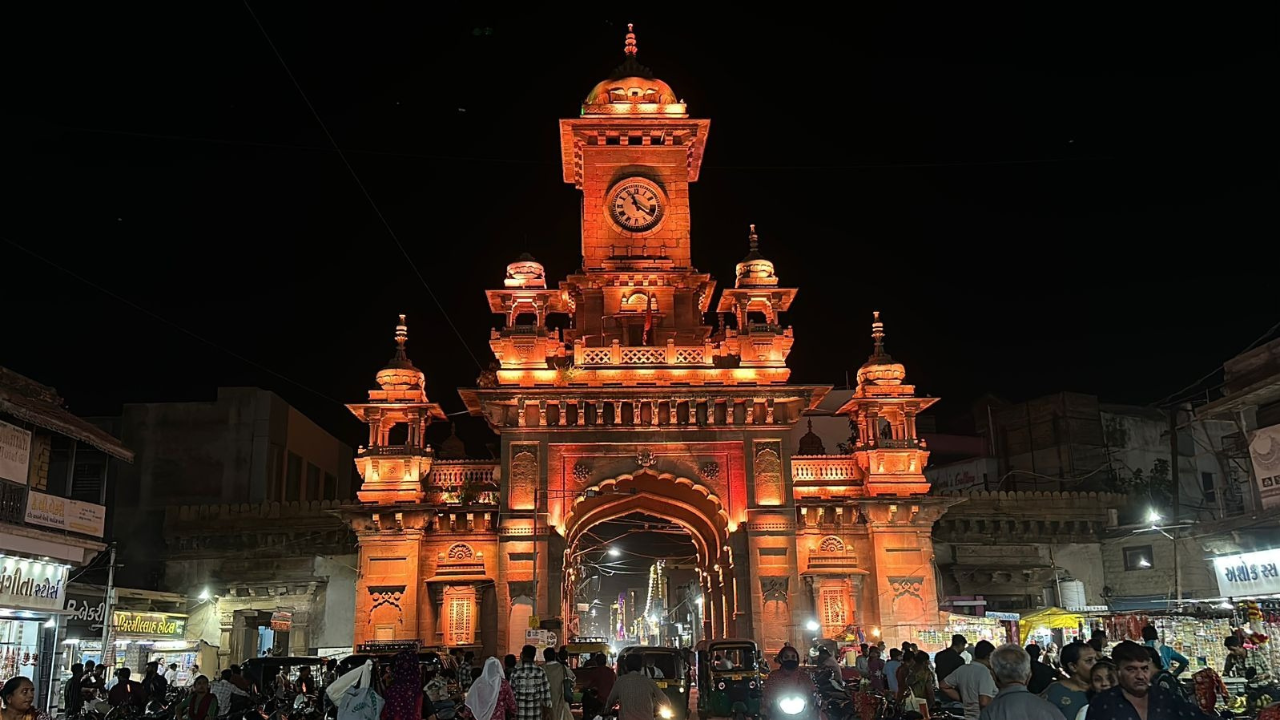
Morvi (also spelled Morbi) is a city in the Rajkot district of Gujarat, India, situated on the banks of the Machchhu River. It is part of the Saurashtra region.
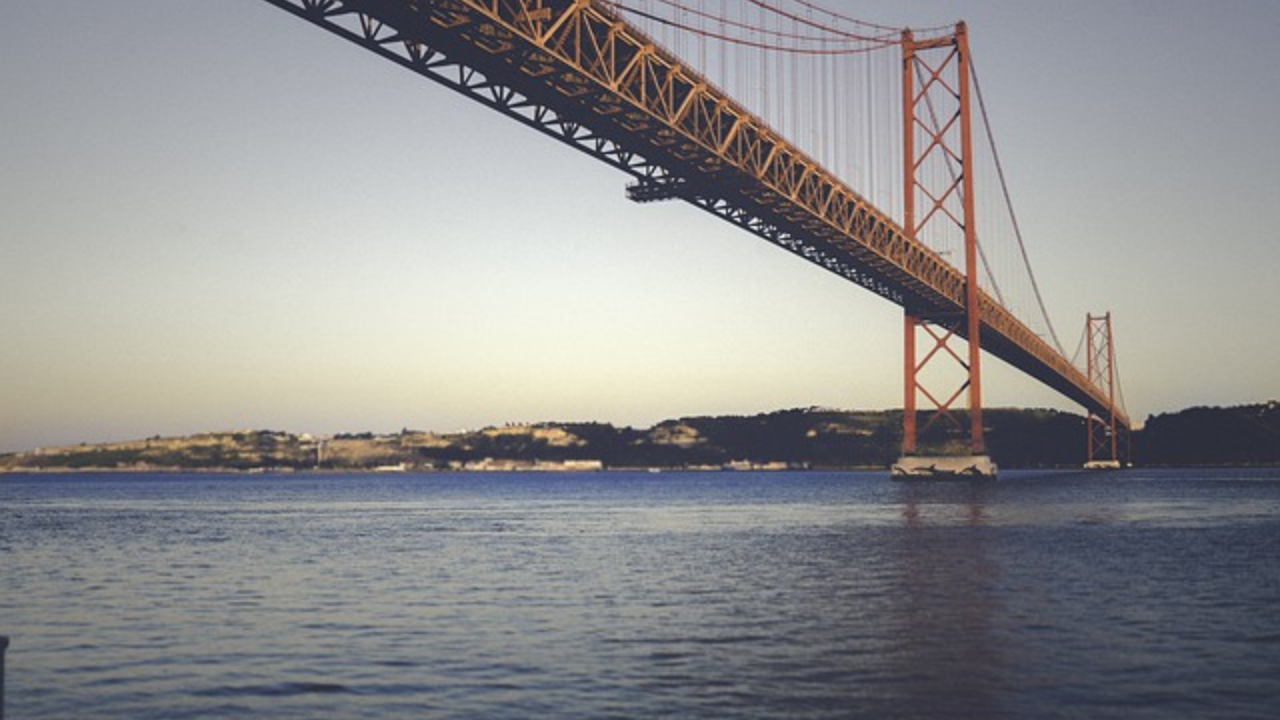
Morvi is renowned for its royal heritage, historic palaces like Darbar Gadh and Nazarbaug Palace, the Jhulta Pul suspension bridge, and world-famous ceramic and tile industry.
As of 2026, Morvi city has an estimated population of around 2.9 lakh (291,000) people, with the metropolitan area reaching approximately 3.76 lakh (376,000).
The main languages spoken are:
Gujarati (official and most common)
Hindi (widely understood)
English (education and formal use)
Sindhi and Urdu (by minority communities)
Morvi’s economy is industry-driven, with the largest contributions from:
Ceramic & tile manufacturing (major revenue source)
Polypack (PP woven products)
Wall clock & gift article production
These industries make Morvi a significant hub for exports and trade
Visitors are drawn to Morvi for its:
Rich royal heritage and palaces
Historic Jhulta Pul bridge
Ceramic and tile industry tours
Cultural festivals and local arts
Business and trade opportunities
Morvi has good road and rail connections to Rajkot, Ahmedabad, and other major cities in Gujarat. The nearest airport is Rajkot Airport.
Morvi uniquely combines royal history, industrial innovation, and cultural diversity, making it a city where heritage and modern development coexist.
